Stainless Steel Fittings, Valves, And More!
News
Exploring the Basics of Bottom Ball Valves in Industrial Equipment
Time:
Feb 21,2024
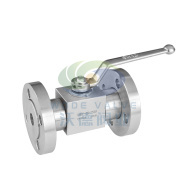
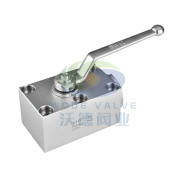
Bottom ball valves are an integral component in industrial equipment, particularly in the valve industry. These valves are designed with a ball inside that controls the flow of liquids or gases by rotating the ball a quarter turn to open or close the valve. Bottom ball valves are known for their reliability, durability, and versatility, making them essential in various industries such as oil and gas, chemical, water treatment, and more.
One key feature of bottom ball valves is their ability to provide tight shut-off, ensuring minimal leakage and optimal performance. The design of the valve allows for easy operation and maintenance, making it a popular choice for many industrial applications. The materials used in bottom ball valves can vary depending on the specific requirements of the industry, with options including stainless steel, brass, and PVC.
Bottom ball valves are commonly used in pipelines, tanks, and process equipment to control the flow of fluids and gases. They are suitable for both high-pressure and low-pressure applications, offering reliable performance in harsh environments. With their simple yet effective design, bottom ball valves are an essential component in ensuring the smooth operation of industrial equipment and processes.
In conclusion, bottom ball valves play a crucial role in the functionality of industrial equipment and components, providing reliable flow control and tight shut-off capabilities. Understanding the basics of bottom ball valves is essential for anyone working in the valve industry or utilizing industrial equipment in various applications. Whether it's for regulating the flow of liquids in a chemical plant or controlling the flow of gases in a processing facility, bottom ball valves are a key component in ensuring the efficiency and safety of industrial processes.
RELATED NEWS


Contact us
Add: Da Chu Cun Hui Nationality Xiang Xingfu Avenue, Cang County, Cangzhou City, Hebei Province
Tel: +86-15831779588 / +86-13473724675 /
Tel: +86-13731727729
PRODUCT CATEGORIES