Stainless Steel Fittings, Valves, And More!

News
The Ultimate Guide to Choosing the Perfect Bottom Ball Valve
Time:
Feb 21,2024
When it comes to industrial equipment and components, the right valve can make all the difference in ensuring smooth and efficient operations. One crucial type of valve to consider is the bottom ball valve, known for its reliability and durability. In this ultimate guide, we will delve into the key factors to consider when choosing the perfect bottom ball valve for your specific needs.
Key Factors to Consider:
1. Flow Rate and Pressure Requirements
- When selecting a bottom ball valve, it is essential to consider the flow rate and pressure requirements of your system. Different valves are designed to handle varying levels of flow and pressure, so be sure to choose one that meets your specific needs.
2. Size and Compatibility
- The size of the valve and its compatibility with your existing equipment are crucial considerations. Make sure to measure the dimensions of your system and choose a valve that fits seamlessly into the configuration.
3. Material and Construction
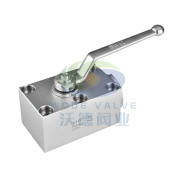
- Bottom ball valves are available in a range of materials, including stainless steel, brass, and PVC. Consider the chemical compatibility, temperature resistance, and durability of each material to select the best option for your application.
Types of Bottom Ball Valves:
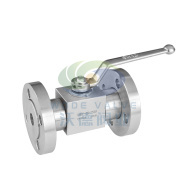
1. Floating Ball Valve
- This type of bottom ball valve features a floating ball that moves with the flow of the fluid, providing reliable sealing and control. Floating ball valves are ideal for applications requiring precise control over flow rates.
2. Trunnion Ball Valve
- Trunnion ball valves have a fixed ball supported by trunnions, offering enhanced stability and control. These valves are suitable for high-pressure and high-temperature applications.
Comparing Different Bottom Ball Valves:
1. Performance
- Consider the performance characteristics of each type of bottom ball valve, including sealing capabilities, flow control, and pressure ratings. Choose a valve that offers the performance you need for your specific application.
2. Cost
- Compare the cost of different bottom ball valves, taking into account factors such as materials, construction, and brand reputation. Opt for a valve that offers the best value for your budget.
Choosing the perfect bottom ball valve for your industrial equipment and components requires careful consideration of key factors such as flow rate, pressure requirements, size, material, and type. By understanding the differences between various bottom ball valves and comparing their performance and cost, you can make an informed decision that ensures optimal functionality and efficiency in your system. Explore the wide range of options available and select the valve that best meets your specific needs for a seamless and reliable operation.
RELATED NEWS


Contact us
Add: Da Chu Cun Hui Nationality Xiang Xingfu Avenue, Cang County, Cangzhou City, Hebei Province
Tel: +86-15831779588 / +86-13473724675 /
Tel: +86-13731727729
PRODUCT CATEGORIES