Stainless Steel Fittings, Valves, And More!
News
Understanding Hydraulic Ball Valves: Key Insights for Industrial Applications
Time:
Aug 02,2024
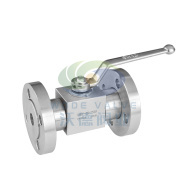
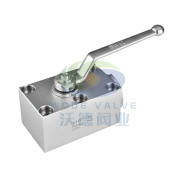
Hydraulic ball valves are critical components in various industrial applications, particularly in fluid control systems. They are designed to regulate the flow of liquids and gases efficiently, making them indispensable in numerous sectors, including manufacturing, oil and gas, and water treatment. The fundamental working principle of a hydraulic ball valve involves a spherical disc, or ball, that has a bore (hole) through its center. When the ball is rotated 90 degrees by the valve handle or actuator, the bore aligns with the flow path, allowing fluid to pass through. Conversely, when the ball is turned back, the flow is blocked, effectively shutting off the system.
One of the primary advantages of hydraulic ball valves is their ability to provide a tight seal. This characteristic is essential in preventing leaks, which can be both costly and hazardous. The design of these valves ensures that when they are closed, there is minimal risk of fluid escaping, making them suitable for high-pressure applications. Additionally, the straightforward quarter-turn operation of ball valves enables quick and easy control of flow, thereby enhancing the efficiency of industrial processes.
Hydraulic ball valves are also known for their durability. Constructed from materials such as stainless steel, brass, or carbon steel, these valves can withstand harsh operating conditions, including extreme temperatures and corrosive environments. This resilience ensures long service life and reduced maintenance needs, which is a significant consideration for businesses looking to optimize operational costs.
In terms of applications, hydraulic ball valves are utilized in various systems, including hydraulic power units, chemical processing, and water supply networks. Their versatility allows them to be used in both on/off and throttling service. However, it's important to note that while they excel in on/off applications, they are not typically recommended for precise flow control due to potential turbulence when partially open.
When selecting a hydraulic ball valve, factors such as size, pressure rating, and material compatibility should be considered. Understanding the specific requirements of your application will help ensure that the chosen valve meets performance expectations and regulatory standards.
In conclusion, hydraulic ball valves are essential for efficient fluid management in industrial environments. Their robust design, tight sealing capabilities, and ease of operation make them a preferred choice among engineers and operators. By familiarizing yourself with these valves, you can enhance your operational efficiency and ensure the reliability of your fluid control systems.
One of the primary advantages of hydraulic ball valves is their ability to provide a tight seal. This characteristic is essential in preventing leaks, which can be both costly and hazardous. The design of these valves ensures that when they are closed, there is minimal risk of fluid escaping, making them suitable for high-pressure applications. Additionally, the straightforward quarter-turn operation of ball valves enables quick and easy control of flow, thereby enhancing the efficiency of industrial processes.
Hydraulic ball valves are also known for their durability. Constructed from materials such as stainless steel, brass, or carbon steel, these valves can withstand harsh operating conditions, including extreme temperatures and corrosive environments. This resilience ensures long service life and reduced maintenance needs, which is a significant consideration for businesses looking to optimize operational costs.
In terms of applications, hydraulic ball valves are utilized in various systems, including hydraulic power units, chemical processing, and water supply networks. Their versatility allows them to be used in both on/off and throttling service. However, it's important to note that while they excel in on/off applications, they are not typically recommended for precise flow control due to potential turbulence when partially open.
When selecting a hydraulic ball valve, factors such as size, pressure rating, and material compatibility should be considered. Understanding the specific requirements of your application will help ensure that the chosen valve meets performance expectations and regulatory standards.
In conclusion, hydraulic ball valves are essential for efficient fluid management in industrial environments. Their robust design, tight sealing capabilities, and ease of operation make them a preferred choice among engineers and operators. By familiarizing yourself with these valves, you can enhance your operational efficiency and ensure the reliability of your fluid control systems.
RELATED NEWS


Contact us
Add: Da Chu Cun Hui Nationality Xiang Xingfu Avenue, Cang County, Cangzhou City, Hebei Province
Tel: +86-15831779588 / +86-13473724675 /
Tel: +86-13731727729
PRODUCT CATEGORIES