Stainless Steel Fittings, Valves, And More!

News
Understanding the Importance of Wafer Flanged Ball Valves in the Industrial Sector
Time:
Feb 04,2024
Table of Contents
1. Introduction
2. What are Wafer Flanged Ball Valves?
3. The Role of Wafer Flanged Ball Valves in Industrial Applications
4. Benefits of Wafer Flanged Ball Valves
4.1 Enhanced Flow Control
4.2 Improved Safety Measures
4.3 Easy Installation and Maintenance
4.4 Cost-effectiveness
5. Applications of Wafer Flanged Ball Valves in Different Industries
5.1 Oil and Gas Industry
5.2 Chemical Industry
5.3 Water Treatment Plants
5.4 Power Generation
6. Factors to Consider When Choosing Wafer Flanged Ball Valves
6.1 Material Selection
6.2 Pressure and Temperature Ratings
6.3 Valve Size and Flow Capacity
6.4 Actuation and Automation Options
7. Frequently Asked Questions (FAQs)
7.1 What is the working principle of a wafer flanged ball valve?
7.2 Can wafer flanged ball valves be used for both on-off and throttling applications?
7.3 How do wafer flanged ball valves ensure leak-proof operations?
7.4 Are wafer flanged ball valves suitable for high-pressure applications?
7.5 What maintenance practices are necessary for wafer flanged ball valves?
8. Conclusion
Introduction
In the industrial sector, where efficient operations and safety are paramount, the significance of wafer flanged ball valves cannot be overstated. These valves play a crucial role in regulating fluid flow, ensuring safety measures, and promoting cost-effectiveness. This article delves into the importance of wafer flanged ball valves in industrial applications, highlighting their benefits, applications, and factors to consider when choosing them.
What are Wafer Flanged Ball Valves?
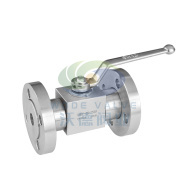
Wafer flanged ball valves are essential components used in industrial piping systems to control the flow of various fluids. These valves feature a spherical ball with a hole in the center, which acts as the flow control mechanism. The ball is connected to a shaft and rotates within the valve body, allowing or obstructing the flow of fluids through the pipeline. The wafer flanged design of these valves enables easy installation between pipe flanges, making them ideal for space-constrained applications.
The Role of Wafer Flanged Ball Valves in Industrial Applications
Wafer flanged ball valves play a crucial role in ensuring smooth and efficient operations in various industrial sectors. They provide precise flow control, isolate segments of pipelines, and allow for quick shut-off when necessary. These valves are widely used in industries such as oil and gas, chemical processing, water treatment plants, and power generation, where seamless flow control and safety are paramount.
Benefits of Wafer Flanged Ball Valves
4.1 Enhanced Flow Control
Wafer flanged ball valves offer excellent flow control capabilities, allowing for precise regulation of fluid flow rates. The spherical ball inside the valve provides a full bore opening when in the open position, minimizing pressure drop and ensuring efficient flow.
4.2 Improved Safety Measures
In industrial applications, safety is of utmost importance. Wafer flanged ball valves are designed to provide reliable shut-off capabilities, preventing leaks and ensuring the safety of personnel and equipment. Their robust construction and tight sealing mechanisms make them suitable for handling various fluids, including corrosive and hazardous substances.
4.3 Easy Installation and Maintenance
The wafer flanged design of these valves simplifies the installation process, as they can be easily inserted between two mating flanges. Additionally, their compact size saves space and allows for easy integration into existing piping systems. Maintenance is also hassle-free, thanks to their simple design and easy access to internal components.
4.4 Cost-effectiveness
Wafer flanged ball valves offer cost-effectiveness in terms of both initial investment and long-term operation. Their relatively lower cost compared to other valve types, combined with their durability and low maintenance requirements, make them a cost-efficient solution for many industrial applications.
Applications of Wafer Flanged Ball Valves in Different Industries
5.1 Oil and Gas Industry
In the oil and gas industry, wafer flanged ball valves are utilized in various processes, including pipeline transportation, refineries, and offshore platforms. These valves ensure reliable flow control, prevent leaks, and contribute to the efficient and safe operation of oil and gas facilities.
5.2 Chemical Industry
Chemical processing plants require valves that can handle corrosive fluids and withstand high temperatures and pressures. Wafer flanged ball valves offer excellent chemical resistance and are suitable for a wide range of chemical applications, including acid handling, solvent control, and material transfer.
5.3 Water Treatment Plants
Wafer flanged ball valves are extensively used in water treatment plants for controlling the flow of water and other fluids. These valves ensure efficient water treatment processes, maintain proper pressure levels, and contribute to the overall reliability and safety of the treatment systems.
5.4 Power Generation
In power generation facilities, wafer flanged ball valves find applications in various processes, such as steam control, cooling water systems, and fuel handling. These valves play a crucial role in maintaining efficient operations, preventing leaks, and ensuring the safety and reliability of power generation equipment.
Factors to Consider When Choosing Wafer Flanged Ball Valves
6.1 Material Selection
The choice of valve material depends on the specific application requirements, including the type of fluid, temperature, and pressure. Common materials used for wafer flanged ball valves include stainless steel, carbon steel, and PVC.
6.2 Pressure and Temperature Ratings
It is essential to select valves with suitable pressure and temperature ratings to ensure their proper functioning and longevity. The valve specifications should align with the requirements of the industrial process it will be used in.
6.3 Valve Size and Flow Capacity
The valve size should correspond to the pipe size and flow capacity of the system. Proper sizing ensures optimal flow control and prevents excessive pressure drop or flow restriction.
6.4 Actuation and Automation Options
Depending on the application, wafer flanged ball valves can be manually operated or automated using actuators. Consider the need for actuation and automation features to enhance operational efficiency and enable remote control.
Frequently Asked Questions (FAQs)
7.1 What is the working principle of a wafer flanged ball valve?
Wafer flanged ball valves operate by rotating a spherical ball with a hole in the center. When the ball is turned parallel to the pipe direction, the valve is open, allowing fluid to flow. Rotating the ball 90 degrees blocks the flow, shutting off the valve.
7.2 Can wafer flanged ball valves be used for both on-off and throttling applications?
Yes, wafer flanged ball valves are versatile and can be used for both on-off and throttling applications. Their ability to provide precise flow control makes them suitable for a wide range of industrial processes.
7.3 How do wafer flanged ball valves ensure leak-proof operations?
The sealing mechanism of wafer flanged ball valves, combined with their tight tolerances, ensures leak-proof operations. When the valve is closed, the ball forms a tight seal against the valve seats, preventing any fluid from passing through.
7.4 Are wafer flanged ball valves suitable for high-pressure applications?
Yes, wafer flanged ball valves can be designed to withstand high-pressure applications. It is crucial to select valves with appropriate pressure ratings and choose materials that can withstand the desired pressure levels.
7.5 What maintenance practices are necessary for wafer flanged ball valves?
Regular inspection, cleaning, and lubrication of wafer flanged ball valves are essential for their continued performance. Periodic checks should be conducted to ensure the sealing surfaces are in good condition and the valve operates smoothly.
Conclusion
In the industrial sector, wafer flanged ball valves serve as critical components that ensure efficient flow control, enhance safety measures, and promote cost-effectiveness. These valves find applications in various industries, including oil and gas, chemical processing, water treatment, and power generation. Their benefits, such as enhanced flow control, improved safety, easy installation, and cost-effectiveness, make them indispensable in the industrial sector. By understanding the importance of wafer flanged ball valves, industries can achieve seamless processes and reliable operations.
1. Introduction
2. What are Wafer Flanged Ball Valves?
3. The Role of Wafer Flanged Ball Valves in Industrial Applications
4. Benefits of Wafer Flanged Ball Valves
4.1 Enhanced Flow Control
4.2 Improved Safety Measures
4.3 Easy Installation and Maintenance
4.4 Cost-effectiveness
5. Applications of Wafer Flanged Ball Valves in Different Industries
5.1 Oil and Gas Industry
5.2 Chemical Industry
5.3 Water Treatment Plants
5.4 Power Generation
6. Factors to Consider When Choosing Wafer Flanged Ball Valves
6.1 Material Selection
6.2 Pressure and Temperature Ratings
6.3 Valve Size and Flow Capacity
6.4 Actuation and Automation Options
7. Frequently Asked Questions (FAQs)
7.1 What is the working principle of a wafer flanged ball valve?
7.2 Can wafer flanged ball valves be used for both on-off and throttling applications?
7.3 How do wafer flanged ball valves ensure leak-proof operations?
7.4 Are wafer flanged ball valves suitable for high-pressure applications?
7.5 What maintenance practices are necessary for wafer flanged ball valves?
8. Conclusion
Introduction
In the industrial sector, where efficient operations and safety are paramount, the significance of wafer flanged ball valves cannot be overstated. These valves play a crucial role in regulating fluid flow, ensuring safety measures, and promoting cost-effectiveness. This article delves into the importance of wafer flanged ball valves in industrial applications, highlighting their benefits, applications, and factors to consider when choosing them.
What are Wafer Flanged Ball Valves?
Wafer flanged ball valves are essential components used in industrial piping systems to control the flow of various fluids. These valves feature a spherical ball with a hole in the center, which acts as the flow control mechanism. The ball is connected to a shaft and rotates within the valve body, allowing or obstructing the flow of fluids through the pipeline. The wafer flanged design of these valves enables easy installation between pipe flanges, making them ideal for space-constrained applications.
The Role of Wafer Flanged Ball Valves in Industrial Applications
Wafer flanged ball valves play a crucial role in ensuring smooth and efficient operations in various industrial sectors. They provide precise flow control, isolate segments of pipelines, and allow for quick shut-off when necessary. These valves are widely used in industries such as oil and gas, chemical processing, water treatment plants, and power generation, where seamless flow control and safety are paramount.
Benefits of Wafer Flanged Ball Valves
4.1 Enhanced Flow Control
Wafer flanged ball valves offer excellent flow control capabilities, allowing for precise regulation of fluid flow rates. The spherical ball inside the valve provides a full bore opening when in the open position, minimizing pressure drop and ensuring efficient flow.
4.2 Improved Safety Measures
In industrial applications, safety is of utmost importance. Wafer flanged ball valves are designed to provide reliable shut-off capabilities, preventing leaks and ensuring the safety of personnel and equipment. Their robust construction and tight sealing mechanisms make them suitable for handling various fluids, including corrosive and hazardous substances.
4.3 Easy Installation and Maintenance
The wafer flanged design of these valves simplifies the installation process, as they can be easily inserted between two mating flanges. Additionally, their compact size saves space and allows for easy integration into existing piping systems. Maintenance is also hassle-free, thanks to their simple design and easy access to internal components.
4.4 Cost-effectiveness
Wafer flanged ball valves offer cost-effectiveness in terms of both initial investment and long-term operation. Their relatively lower cost compared to other valve types, combined with their durability and low maintenance requirements, make them a cost-efficient solution for many industrial applications.
Applications of Wafer Flanged Ball Valves in Different Industries
5.1 Oil and Gas Industry
In the oil and gas industry, wafer flanged ball valves are utilized in various processes, including pipeline transportation, refineries, and offshore platforms. These valves ensure reliable flow control, prevent leaks, and contribute to the efficient and safe operation of oil and gas facilities.
5.2 Chemical Industry
Chemical processing plants require valves that can handle corrosive fluids and withstand high temperatures and pressures. Wafer flanged ball valves offer excellent chemical resistance and are suitable for a wide range of chemical applications, including acid handling, solvent control, and material transfer.
5.3 Water Treatment Plants
Wafer flanged ball valves are extensively used in water treatment plants for controlling the flow of water and other fluids. These valves ensure efficient water treatment processes, maintain proper pressure levels, and contribute to the overall reliability and safety of the treatment systems.
5.4 Power Generation
In power generation facilities, wafer flanged ball valves find applications in various processes, such as steam control, cooling water systems, and fuel handling. These valves play a crucial role in maintaining efficient operations, preventing leaks, and ensuring the safety and reliability of power generation equipment.
Factors to Consider When Choosing Wafer Flanged Ball Valves
6.1 Material Selection
The choice of valve material depends on the specific application requirements, including the type of fluid, temperature, and pressure. Common materials used for wafer flanged ball valves include stainless steel, carbon steel, and PVC.
6.2 Pressure and Temperature Ratings
It is essential to select valves with suitable pressure and temperature ratings to ensure their proper functioning and longevity. The valve specifications should align with the requirements of the industrial process it will be used in.
6.3 Valve Size and Flow Capacity
The valve size should correspond to the pipe size and flow capacity of the system. Proper sizing ensures optimal flow control and prevents excessive pressure drop or flow restriction.
6.4 Actuation and Automation Options
Depending on the application, wafer flanged ball valves can be manually operated or automated using actuators. Consider the need for actuation and automation features to enhance operational efficiency and enable remote control.
Frequently Asked Questions (FAQs)
7.1 What is the working principle of a wafer flanged ball valve?
Wafer flanged ball valves operate by rotating a spherical ball with a hole in the center. When the ball is turned parallel to the pipe direction, the valve is open, allowing fluid to flow. Rotating the ball 90 degrees blocks the flow, shutting off the valve.
7.2 Can wafer flanged ball valves be used for both on-off and throttling applications?
Yes, wafer flanged ball valves are versatile and can be used for both on-off and throttling applications. Their ability to provide precise flow control makes them suitable for a wide range of industrial processes.
7.3 How do wafer flanged ball valves ensure leak-proof operations?
The sealing mechanism of wafer flanged ball valves, combined with their tight tolerances, ensures leak-proof operations. When the valve is closed, the ball forms a tight seal against the valve seats, preventing any fluid from passing through.
7.4 Are wafer flanged ball valves suitable for high-pressure applications?
Yes, wafer flanged ball valves can be designed to withstand high-pressure applications. It is crucial to select valves with appropriate pressure ratings and choose materials that can withstand the desired pressure levels.
7.5 What maintenance practices are necessary for wafer flanged ball valves?
Regular inspection, cleaning, and lubrication of wafer flanged ball valves are essential for their continued performance. Periodic checks should be conducted to ensure the sealing surfaces are in good condition and the valve operates smoothly.
Conclusion
In the industrial sector, wafer flanged ball valves serve as critical components that ensure efficient flow control, enhance safety measures, and promote cost-effectiveness. These valves find applications in various industries, including oil and gas, chemical processing, water treatment, and power generation. Their benefits, such as enhanced flow control, improved safety, easy installation, and cost-effectiveness, make them indispensable in the industrial sector. By understanding the importance of wafer flanged ball valves, industries can achieve seamless processes and reliable operations.
RELATED NEWS


Contact us
Add: Da Chu Cun Hui Nationality Xiang Xingfu Avenue, Cang County, Cangzhou City, Hebei Province
Tel: +86-15831779588 / +86-13473724675 /
Tel: +86-13731727729
PRODUCT CATEGORIES