Stainless Steel Fittings, Valves, And More!

News
All You Need to Know About Wafer Flanged Ball Valve in the Industrial Equipment and Components - Valves - Ball Valves Sector
Time:
Feb 04,2024
Introduction:
Are you curious about wafer flanged ball valves? Look no further! In this article, we will explore the fundamentals of wafer flanged ball valves. Whether you are a professional in the industrial equipment and components industry or simply interested in valves, this article is for you. Let's dive in!
1. What is a Wafer Flanged Ball Valve?
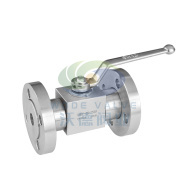
A wafer flanged ball valve is a type of valve utilized in various industries, particularly in the industrial equipment and components sector. It consists of a ball with a hole that can be rotated to control the flow of fluid within a pipeline. The wafer flanged design ensures a secure connection between the valve and the pipeline, enhancing its efficiency.
2. Key Features of Wafer Flanged Ball Valves:
- Compact Design: Wafer flanged ball valves are known for their compact and lightweight design, making them suitable for applications where space is limited.
- Bi-directional Flow Control: These valves offer bi-directional flow control, allowing the fluid to flow in both directions.
- Quick Operation: With a simple quarter-turn operation, wafer flanged ball valves can quickly open or close, enabling efficient flow control.
- Low Pressure Drop: The streamlined flow path of these valves results in minimal pressure drop, ensuring high flow rates.
3. Applications of Wafer Flanged Ball Valves:
Wafer flanged ball valves find extensive use in various industries, including:
- Oil and Gas: These valves are commonly employed in oil refineries, petrochemical plants, and natural gas processing facilities for controlling the flow of oil and gas.
- Water Treatment: Wafer flanged ball valves are essential components in water treatment plants, ensuring precise control over the flow of water.
- Chemical Industry: Chemical processing plants utilize these valves to regulate the flow of chemicals and maintain process efficiency.
- HVAC Systems: Wafer flanged ball valves are well-suited for heating, ventilation, and air conditioning (HVAC) systems, providing reliable control over fluid flow.
4. Benefits of Wafer Flanged Ball Valves:
- Versatility: These valves can handle various fluids, including gases, liquids, and slurries, making them suitable for diverse applications.
- Cost-effective: The compact design and ease of installation of wafer flanged ball valves contribute to their cost-effectiveness.
- Minimal Leakage: The tight sealing mechanism of these valves minimizes leakage, ensuring safe and efficient operation.
- Durability: Wafer flanged ball valves are engineered to withstand harsh environments and offer long-lasting performance.
In conclusion, wafer flanged ball valves play a crucial role in the industrial equipment and components sector, specifically in valve applications. Their compact design, bi-directional flow control, and versatility make them an excellent choice for professionals in various industries. With their efficient operation and durability, wafer flanged ball valves continue to be vital components in fluid control systems worldwide.
Are you curious about wafer flanged ball valves? Look no further! In this article, we will explore the fundamentals of wafer flanged ball valves. Whether you are a professional in the industrial equipment and components industry or simply interested in valves, this article is for you. Let's dive in!
1. What is a Wafer Flanged Ball Valve?
A wafer flanged ball valve is a type of valve utilized in various industries, particularly in the industrial equipment and components sector. It consists of a ball with a hole that can be rotated to control the flow of fluid within a pipeline. The wafer flanged design ensures a secure connection between the valve and the pipeline, enhancing its efficiency.
2. Key Features of Wafer Flanged Ball Valves:
- Compact Design: Wafer flanged ball valves are known for their compact and lightweight design, making them suitable for applications where space is limited.
- Bi-directional Flow Control: These valves offer bi-directional flow control, allowing the fluid to flow in both directions.
- Quick Operation: With a simple quarter-turn operation, wafer flanged ball valves can quickly open or close, enabling efficient flow control.
- Low Pressure Drop: The streamlined flow path of these valves results in minimal pressure drop, ensuring high flow rates.
3. Applications of Wafer Flanged Ball Valves:
Wafer flanged ball valves find extensive use in various industries, including:
- Oil and Gas: These valves are commonly employed in oil refineries, petrochemical plants, and natural gas processing facilities for controlling the flow of oil and gas.
- Water Treatment: Wafer flanged ball valves are essential components in water treatment plants, ensuring precise control over the flow of water.
- Chemical Industry: Chemical processing plants utilize these valves to regulate the flow of chemicals and maintain process efficiency.
- HVAC Systems: Wafer flanged ball valves are well-suited for heating, ventilation, and air conditioning (HVAC) systems, providing reliable control over fluid flow.
4. Benefits of Wafer Flanged Ball Valves:
- Versatility: These valves can handle various fluids, including gases, liquids, and slurries, making them suitable for diverse applications.
- Cost-effective: The compact design and ease of installation of wafer flanged ball valves contribute to their cost-effectiveness.
- Minimal Leakage: The tight sealing mechanism of these valves minimizes leakage, ensuring safe and efficient operation.
- Durability: Wafer flanged ball valves are engineered to withstand harsh environments and offer long-lasting performance.
In conclusion, wafer flanged ball valves play a crucial role in the industrial equipment and components sector, specifically in valve applications. Their compact design, bi-directional flow control, and versatility make them an excellent choice for professionals in various industries. With their efficient operation and durability, wafer flanged ball valves continue to be vital components in fluid control systems worldwide.
RELATED NEWS


Contact us
Add: Da Chu Cun Hui Nationality Xiang Xingfu Avenue, Cang County, Cangzhou City, Hebei Province
Tel: +86-15831779588 / +86-13473724675 /
Tel: +86-13731727729
PRODUCT CATEGORIES