Stainless Steel Fittings, Valves, And More!

News
Flanged Ball Valve: A Comprehensive Guide to Industrial Valves and Components
Time:
Jan 24,2024
Introduction:
Flanged ball valves play a crucial role in the industrial equipment and valve industry. As a key component of industrial systems, these valves offer reliable shut-off and control functions. In this comprehensive guide, we will explore the fundamentals, features, and applications of flanged ball valves, empowering professionals in the field with essential knowledge.
1. What is a Flanged Ball Valve?
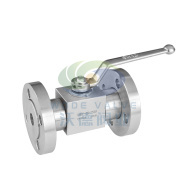
A flanged ball valve is a type of quarter-turn valve that utilizes a hollow, perforated ball to control flow. It is equipped with flanges, which facilitate easy installation and removal, making it suitable for applications requiring frequent maintenance. The ball within the valve has a hole, allowing or obstructing fluid flow by rotating the valve handle or actuator.
2. How do Flanged Ball Valves Work?
Flanged ball valves operate by rotating the ball within the valve body. When the ball's bore aligns with the valve ends, it allows fluid to pass through, enabling full flow. Conversely, when the ball is rotated 90 degrees, the bore becomes perpendicular to the valve ends, preventing fluid flow. This simple mechanism ensures efficient shut-off capabilities.
3. Features and Benefits of Flanged Ball Valves:
- Excellent sealing capabilities: Flanged ball valves provide tight shut-off, minimizing leakage and ensuring system integrity.
- Versatile applications: These valves are suitable for various industries, including oil and gas, chemical, water treatment, and power generation.
- Durability: Flanged ball valves are built to withstand high pressures and temperatures, offering long-term reliability.
- Ease of installation and maintenance: The flanged design allows quick and convenient installation, disassembly, and maintenance.
- Flow control: Along with shut-off functions, flanged ball valves can be used for precise flow control in specific applications.
4. Applications of Flanged Ball Valves:
- Oil and gas industry: Flanged ball valves are commonly used in pipelines, refineries, and storage facilities to control the flow of oil and gas.
- Chemical industry: These valves find applications in handling corrosive chemicals, ensuring safe and reliable operations.
- Water treatment plants: Flanged ball valves play a vital role in controlling the flow of water, both in potable water distribution systems and wastewater treatment plants.
- Power generation: Flanged ball valves are used in power plants to regulate the flow of steam and other fluids, maintaining efficient operations.
Conclusion:
Flanged ball valves are essential components in the industrial equipment and valve industry, providing reliable shut-off and control capabilities. This comprehensive guide has equipped you with valuable information about these valves, their working principles, features, and applications across various industries. By understanding flanged ball valves, professionals in the field can make informed decisions and ensure optimal performance in their industrial systems.
Flanged ball valves play a crucial role in the industrial equipment and valve industry. As a key component of industrial systems, these valves offer reliable shut-off and control functions. In this comprehensive guide, we will explore the fundamentals, features, and applications of flanged ball valves, empowering professionals in the field with essential knowledge.
1. What is a Flanged Ball Valve?
A flanged ball valve is a type of quarter-turn valve that utilizes a hollow, perforated ball to control flow. It is equipped with flanges, which facilitate easy installation and removal, making it suitable for applications requiring frequent maintenance. The ball within the valve has a hole, allowing or obstructing fluid flow by rotating the valve handle or actuator.
2. How do Flanged Ball Valves Work?
Flanged ball valves operate by rotating the ball within the valve body. When the ball's bore aligns with the valve ends, it allows fluid to pass through, enabling full flow. Conversely, when the ball is rotated 90 degrees, the bore becomes perpendicular to the valve ends, preventing fluid flow. This simple mechanism ensures efficient shut-off capabilities.
3. Features and Benefits of Flanged Ball Valves:
- Excellent sealing capabilities: Flanged ball valves provide tight shut-off, minimizing leakage and ensuring system integrity.
- Versatile applications: These valves are suitable for various industries, including oil and gas, chemical, water treatment, and power generation.
- Durability: Flanged ball valves are built to withstand high pressures and temperatures, offering long-term reliability.
- Ease of installation and maintenance: The flanged design allows quick and convenient installation, disassembly, and maintenance.
- Flow control: Along with shut-off functions, flanged ball valves can be used for precise flow control in specific applications.
4. Applications of Flanged Ball Valves:
- Oil and gas industry: Flanged ball valves are commonly used in pipelines, refineries, and storage facilities to control the flow of oil and gas.
- Chemical industry: These valves find applications in handling corrosive chemicals, ensuring safe and reliable operations.
- Water treatment plants: Flanged ball valves play a vital role in controlling the flow of water, both in potable water distribution systems and wastewater treatment plants.
- Power generation: Flanged ball valves are used in power plants to regulate the flow of steam and other fluids, maintaining efficient operations.
Conclusion:
Flanged ball valves are essential components in the industrial equipment and valve industry, providing reliable shut-off and control capabilities. This comprehensive guide has equipped you with valuable information about these valves, their working principles, features, and applications across various industries. By understanding flanged ball valves, professionals in the field can make informed decisions and ensure optimal performance in their industrial systems.
RELATED NEWS


Contact us
Add: Da Chu Cun Hui Nationality Xiang Xingfu Avenue, Cang County, Cangzhou City, Hebei Province
Tel: +86-15831779588 / +86-13473724675 /
Tel: +86-13731727729
PRODUCT CATEGORIES