Stainless Steel Fittings, Valves, And More!

News
Everything You Need to Know About Flanged Ball Valves
Time:
Jan 24,2024
Flanged Ball Valves: A Comprehensive Guide
Introduction:
Flanged ball valves are an integral part of the industrial equipment and components sector, specifically in the valve industry. These valves play a crucial role in controlling the flow of fluids and are widely used in various industrial applications. In this article, we will delve into the details of flanged ball valves, their functionality, and their significance in different areas.
1. What are Flanged Ball Valves?
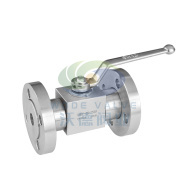
Flanged ball valves are mechanical devices designed to regulate the flow of fluids, such as liquids or gases, by utilizing a ball with a hole in the middle. The ball, positioned within the valve body, has a bore that can either obstruct or allow the passage of the fluid, depending on the valve's position.
2. How Do Flanged Ball Valves Work?
When the valve handle is turned, the ball inside rotates, either opening or closing the passage for fluid flow. In the open position, the bore aligns with the pipe, enabling the fluid to pass through. Conversely, when the valve is closed, the ball rotates perpendicular to the pipe, blocking the flow entirely. This simple yet effective design allows for efficient control and isolation of the fluid flow.
3. What Are the Advantages of Flanged Ball Valves?
- Versatility: Flanged ball valves can handle a wide range of fluids, making them suitable for diverse industrial applications.
- Durable Construction: These valves are typically made from high-quality materials, ensuring longevity even in harsh operating conditions.
- Low Maintenance: With minimal moving parts, flanged ball valves require less maintenance and offer reduced downtime.
- Quick Operation: The quarter-turn operation of flanged ball valves allows for fast and efficient flow control.
4. Where Are Flanged Ball Valves Used?
Flanged ball valves find their applications in various industries, including:
- Oil and Gas: Used in pipelines, refineries, and storage facilities to control the flow of oil and gas.
- Chemical Industry: Employed to regulate chemical substances in manufacturing processes.
- Water Treatment: Used in water treatment plants to control water flow and ensure efficient operations.
- HVAC Systems: Employed in heating, ventilation, and air conditioning systems for efficient control of fluids.
5. Conclusion:
Flanged ball valves are essential components in the industrial equipment and components industry, particularly in valve applications. Their ability to regulate fluid flow efficiently, durability, and versatility make them indispensable in numerous industries. Understanding the functionality and advantages of flanged ball valves serves as a valuable knowledge base for professionals in the industry, allowing for informed decision-making and optimal utilization of these valves in various industrial settings.
Introduction:
Flanged ball valves are an integral part of the industrial equipment and components sector, specifically in the valve industry. These valves play a crucial role in controlling the flow of fluids and are widely used in various industrial applications. In this article, we will delve into the details of flanged ball valves, their functionality, and their significance in different areas.
1. What are Flanged Ball Valves?
Flanged ball valves are mechanical devices designed to regulate the flow of fluids, such as liquids or gases, by utilizing a ball with a hole in the middle. The ball, positioned within the valve body, has a bore that can either obstruct or allow the passage of the fluid, depending on the valve's position.
2. How Do Flanged Ball Valves Work?
When the valve handle is turned, the ball inside rotates, either opening or closing the passage for fluid flow. In the open position, the bore aligns with the pipe, enabling the fluid to pass through. Conversely, when the valve is closed, the ball rotates perpendicular to the pipe, blocking the flow entirely. This simple yet effective design allows for efficient control and isolation of the fluid flow.
3. What Are the Advantages of Flanged Ball Valves?
- Versatility: Flanged ball valves can handle a wide range of fluids, making them suitable for diverse industrial applications.
- Durable Construction: These valves are typically made from high-quality materials, ensuring longevity even in harsh operating conditions.
- Low Maintenance: With minimal moving parts, flanged ball valves require less maintenance and offer reduced downtime.
- Quick Operation: The quarter-turn operation of flanged ball valves allows for fast and efficient flow control.
4. Where Are Flanged Ball Valves Used?
Flanged ball valves find their applications in various industries, including:
- Oil and Gas: Used in pipelines, refineries, and storage facilities to control the flow of oil and gas.
- Chemical Industry: Employed to regulate chemical substances in manufacturing processes.
- Water Treatment: Used in water treatment plants to control water flow and ensure efficient operations.
- HVAC Systems: Employed in heating, ventilation, and air conditioning systems for efficient control of fluids.
5. Conclusion:
Flanged ball valves are essential components in the industrial equipment and components industry, particularly in valve applications. Their ability to regulate fluid flow efficiently, durability, and versatility make them indispensable in numerous industries. Understanding the functionality and advantages of flanged ball valves serves as a valuable knowledge base for professionals in the industry, allowing for informed decision-making and optimal utilization of these valves in various industrial settings.
RELATED NEWS


Contact us
Add: Da Chu Cun Hui Nationality Xiang Xingfu Avenue, Cang County, Cangzhou City, Hebei Province
Tel: +86-15831779588 / +86-13473724675 /
Tel: +86-13731727729
PRODUCT CATEGORIES