Stainless Steel Fittings, Valves, And More!

News
The Importance of High Pressure Ball Valve in Industrial Equipment: A Comprehensive Guide
Time:
Jan 21,2024
Table of Contents:
1. Introduction: Understanding the Role of High Pressure Ball Valve in Industrial Equipment
2. What is a High Pressure Ball Valve?
3. The Working Principle of High Pressure Ball Valve
4. Features and Construction of High Pressure Ball Valve
4.1 Durability and Strength
4.2 Sealing Mechanism
4.3 Compact Design
4.4 Easy Operation and Maintenance
5. Applications of High Pressure Ball Valve in Industrial Equipment
5.1 Oil and Gas Industry
5.2 Petrochemical Industry
5.3 Power Generation
5.4 Manufacturing and Processing Plants
6. Benefits of Using High Pressure Ball Valve in Industrial Equipment
6.1 Efficient Flow Control
6.2 Enhanced Safety
6.3 Cost Savings
6.4 Versatility and Adaptability
7. FAQs (Frequently Asked Questions)
7.1 What is the maximum pressure rating of a high pressure ball valve?
7.2 Can a high pressure ball valve handle corrosive fluids?
7.3 How often should a high pressure ball valve be inspected?
7.4 Are high pressure ball valves suitable for high temperature applications?
7.5 Can a high pressure ball valve be automated?
8. Conclusion
1. Introduction: Understanding the Role of High Pressure Ball Valve in Industrial Equipment
In the dynamic world of industrial equipment, precision and reliability are crucial for seamless operations. The high pressure ball valve stands as an essential component in this realm, ensuring efficient flow control, enhanced safety, and optimal performance. This comprehensive guide aims to shed light on the importance of high pressure ball valves, their working principle, features, applications, benefits, and more.
2. What is a High Pressure Ball Valve?
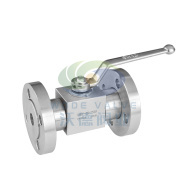
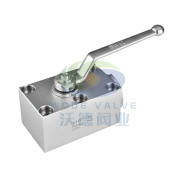
A high pressure ball valve is a type of valve designed to control and regulate the flow of fluids or gases under high pressure conditions. It consists of a hollow ball with a bore through its center, which can be rotated to allow or block the fluid/gas flow. The ball valve's closing mechanism ensures a tight seal, preventing any leakage or backflow.
3. The Working Principle of High Pressure Ball Valve
The working principle of a high pressure ball valve relies on the rotation of the ball within the valve body. When the ball's bore aligns with the flow path, the fluid or gas can pass through, enabling unrestricted flow. Conversely, when the ball is rotated to a position perpendicular to the flow path, it blocks the passage, effectively stopping the flow.
4. Features and Construction of High Pressure Ball Valve
4.1 Durability and Strength
High pressure ball valves are engineered with robust materials such as stainless steel, carbon steel, or alloy steel to withstand the extreme conditions of industrial applications. Their sturdy construction ensures longevity and resistance to wear, corrosion, and pressure.
4.2 Sealing Mechanism
The sealing mechanism of a high pressure ball valve is crucial for maintaining leak-free operations. The valve body incorporates seal rings or seats made of materials like PTFE (Polytetrafluoroethylene) or metal alloys to provide a secure and reliable seal, even under high pressure environments.
4.3 Compact Design
One of the key advantages of high pressure ball valves is their compact design. They occupy less space compared to other valve types, making them suitable for installations with space constraints. Their compactness also facilitates easy integration into complex industrial systems.
4.4 Easy Operation and Maintenance
High pressure ball valves are designed for user convenience. They feature a simple quarter-turn operation, allowing quick and effortless opening and closing. Additionally, their design enables easy access for inspection, cleaning, and maintenance, reducing downtime and optimizing productivity.
5. Applications of High Pressure Ball Valve in Industrial Equipment
5.1 Oil and Gas Industry
In the oil and gas industry, high pressure ball valves are extensively used in drilling operations, wellheads, pipelines, and refineries. Their reliability and robustness enable efficient flow control of various fluids, including crude oil, natural gas, and petroleum products.
5.2 Petrochemical Industry
High pressure ball valves play a vital role in the petrochemical industry, where they are utilized in processes involving the transportation, storage, and distribution of chemicals and gases. Their ability to withstand aggressive media and high pressures ensures safe and reliable operations.
5.3 Power Generation
Power generation facilities rely on high pressure ball valves for controlling the flow of steam, water, and other fluids in boilers, turbines, and cooling systems. These valves contribute to efficient heat transfer, energy production, and overall plant safety.
5.4 Manufacturing and Processing Plants
Various manufacturing and processing plants, including pharmaceutical, food and beverage, and water treatment plants, employ high pressure ball valves. They enable precise regulation of fluid flow during production, ensuring consistent quality, safety, and environmental compliance.
6. Benefits of Using High Pressure Ball Valve in Industrial Equipment
6.1 Efficient Flow Control
High pressure ball valves provide precise flow control, allowing operators to modulate the fluid or gas flow rate with accuracy. This promotes optimal process performance, improves product quality, and minimizes waste.
6.2 Enhanced Safety
Safety is paramount in industrial operations. High pressure ball valves offer reliable shut-off capabilities, preventing hazardous leaks or accidents. Their robust construction and sealing mechanism contribute to a safe working environment.
6.3 Cost Savings
The efficient flow control and reliable sealing of high pressure ball valves result in cost savings for industrial operations. By minimizing fluid or gas loss, these valves help reduce energy consumption, maintenance costs, and potential equipment damage.
6.4 Versatility and Adaptability
High pressure ball valves are versatile and adaptable to a wide range of applications. They can handle various fluids, gases, and pressures, making them suitable for diverse industrial settings. Additionally, their compatibility with automation systems allows for seamless integration into modern control systems.
7. FAQs (Frequently Asked Questions)
7.1 What is the maximum pressure rating of a high pressure ball valve?
High pressure ball valves typically have a pressure rating ranging from 1000 PSI to 6000 PSI, depending on the valve size and design.
7.2 Can a high pressure ball valve handle corrosive fluids?
Yes, high pressure ball valves can be manufactured with corrosion-resistant materials like stainless steel or specific alloys, allowing them to handle corrosive fluids effectively.
7.3 How often should a high pressure ball valve be inspected?
Regular inspection of high pressure ball valves is recommended, and the frequency depends on the operating conditions and industry standards. However, a general guideline suggests inspections every six months to one year.
7.4 Are high pressure ball valves suitable for high temperature applications?
Yes, high pressure ball valves can be designed to withstand high temperatures by using appropriate materials and components that can handle the specific heat requirements of the application.
7.5 Can a high pressure ball valve be automated?
Absolutely! High pressure ball valves can be automated by incorporating electric or pneumatic actuators, allowing remote control and integration into industrial control systems.
8. Conclusion
The importance of high pressure ball valves in industrial equipment cannot be overstated. These valves serve as vital components for efficient flow control, enhanced safety, and cost-effective operations. With their durability, versatility, and adaptability, high pressure ball valves contribute to the smooth functioning of various industries, ensuring optimal performance and productivity. Embracing the significance of high pressure ball valves empowers industrial processes, making them safer, more reliable, and efficient in today's competitive landscape.
In conclusion, understanding and harnessing the power of high pressure ball valves is essential for any industry seeking seamless operations and sustainable growth. By integrating these valves into industrial equipment, businesses can unlock their full potential and pave the way for success in the dynamic world of industrial engineering.
1. Introduction: Understanding the Role of High Pressure Ball Valve in Industrial Equipment
2. What is a High Pressure Ball Valve?
3. The Working Principle of High Pressure Ball Valve
4. Features and Construction of High Pressure Ball Valve
4.1 Durability and Strength
4.2 Sealing Mechanism
4.3 Compact Design
4.4 Easy Operation and Maintenance
5. Applications of High Pressure Ball Valve in Industrial Equipment
5.1 Oil and Gas Industry
5.2 Petrochemical Industry
5.3 Power Generation
5.4 Manufacturing and Processing Plants
6. Benefits of Using High Pressure Ball Valve in Industrial Equipment
6.1 Efficient Flow Control
6.2 Enhanced Safety
6.3 Cost Savings
6.4 Versatility and Adaptability
7. FAQs (Frequently Asked Questions)
7.1 What is the maximum pressure rating of a high pressure ball valve?
7.2 Can a high pressure ball valve handle corrosive fluids?
7.3 How often should a high pressure ball valve be inspected?
7.4 Are high pressure ball valves suitable for high temperature applications?
7.5 Can a high pressure ball valve be automated?
8. Conclusion
1. Introduction: Understanding the Role of High Pressure Ball Valve in Industrial Equipment
In the dynamic world of industrial equipment, precision and reliability are crucial for seamless operations. The high pressure ball valve stands as an essential component in this realm, ensuring efficient flow control, enhanced safety, and optimal performance. This comprehensive guide aims to shed light on the importance of high pressure ball valves, their working principle, features, applications, benefits, and more.
2. What is a High Pressure Ball Valve?
A high pressure ball valve is a type of valve designed to control and regulate the flow of fluids or gases under high pressure conditions. It consists of a hollow ball with a bore through its center, which can be rotated to allow or block the fluid/gas flow. The ball valve's closing mechanism ensures a tight seal, preventing any leakage or backflow.
3. The Working Principle of High Pressure Ball Valve
The working principle of a high pressure ball valve relies on the rotation of the ball within the valve body. When the ball's bore aligns with the flow path, the fluid or gas can pass through, enabling unrestricted flow. Conversely, when the ball is rotated to a position perpendicular to the flow path, it blocks the passage, effectively stopping the flow.
4. Features and Construction of High Pressure Ball Valve
4.1 Durability and Strength
High pressure ball valves are engineered with robust materials such as stainless steel, carbon steel, or alloy steel to withstand the extreme conditions of industrial applications. Their sturdy construction ensures longevity and resistance to wear, corrosion, and pressure.
4.2 Sealing Mechanism
The sealing mechanism of a high pressure ball valve is crucial for maintaining leak-free operations. The valve body incorporates seal rings or seats made of materials like PTFE (Polytetrafluoroethylene) or metal alloys to provide a secure and reliable seal, even under high pressure environments.
4.3 Compact Design
One of the key advantages of high pressure ball valves is their compact design. They occupy less space compared to other valve types, making them suitable for installations with space constraints. Their compactness also facilitates easy integration into complex industrial systems.
4.4 Easy Operation and Maintenance
High pressure ball valves are designed for user convenience. They feature a simple quarter-turn operation, allowing quick and effortless opening and closing. Additionally, their design enables easy access for inspection, cleaning, and maintenance, reducing downtime and optimizing productivity.
5. Applications of High Pressure Ball Valve in Industrial Equipment
5.1 Oil and Gas Industry
In the oil and gas industry, high pressure ball valves are extensively used in drilling operations, wellheads, pipelines, and refineries. Their reliability and robustness enable efficient flow control of various fluids, including crude oil, natural gas, and petroleum products.
5.2 Petrochemical Industry
High pressure ball valves play a vital role in the petrochemical industry, where they are utilized in processes involving the transportation, storage, and distribution of chemicals and gases. Their ability to withstand aggressive media and high pressures ensures safe and reliable operations.
5.3 Power Generation
Power generation facilities rely on high pressure ball valves for controlling the flow of steam, water, and other fluids in boilers, turbines, and cooling systems. These valves contribute to efficient heat transfer, energy production, and overall plant safety.
5.4 Manufacturing and Processing Plants
Various manufacturing and processing plants, including pharmaceutical, food and beverage, and water treatment plants, employ high pressure ball valves. They enable precise regulation of fluid flow during production, ensuring consistent quality, safety, and environmental compliance.
6. Benefits of Using High Pressure Ball Valve in Industrial Equipment
6.1 Efficient Flow Control
High pressure ball valves provide precise flow control, allowing operators to modulate the fluid or gas flow rate with accuracy. This promotes optimal process performance, improves product quality, and minimizes waste.
6.2 Enhanced Safety
Safety is paramount in industrial operations. High pressure ball valves offer reliable shut-off capabilities, preventing hazardous leaks or accidents. Their robust construction and sealing mechanism contribute to a safe working environment.
6.3 Cost Savings
The efficient flow control and reliable sealing of high pressure ball valves result in cost savings for industrial operations. By minimizing fluid or gas loss, these valves help reduce energy consumption, maintenance costs, and potential equipment damage.
6.4 Versatility and Adaptability
High pressure ball valves are versatile and adaptable to a wide range of applications. They can handle various fluids, gases, and pressures, making them suitable for diverse industrial settings. Additionally, their compatibility with automation systems allows for seamless integration into modern control systems.
7. FAQs (Frequently Asked Questions)
7.1 What is the maximum pressure rating of a high pressure ball valve?
High pressure ball valves typically have a pressure rating ranging from 1000 PSI to 6000 PSI, depending on the valve size and design.
7.2 Can a high pressure ball valve handle corrosive fluids?
Yes, high pressure ball valves can be manufactured with corrosion-resistant materials like stainless steel or specific alloys, allowing them to handle corrosive fluids effectively.
7.3 How often should a high pressure ball valve be inspected?
Regular inspection of high pressure ball valves is recommended, and the frequency depends on the operating conditions and industry standards. However, a general guideline suggests inspections every six months to one year.
7.4 Are high pressure ball valves suitable for high temperature applications?
Yes, high pressure ball valves can be designed to withstand high temperatures by using appropriate materials and components that can handle the specific heat requirements of the application.
7.5 Can a high pressure ball valve be automated?
Absolutely! High pressure ball valves can be automated by incorporating electric or pneumatic actuators, allowing remote control and integration into industrial control systems.
8. Conclusion
The importance of high pressure ball valves in industrial equipment cannot be overstated. These valves serve as vital components for efficient flow control, enhanced safety, and cost-effective operations. With their durability, versatility, and adaptability, high pressure ball valves contribute to the smooth functioning of various industries, ensuring optimal performance and productivity. Embracing the significance of high pressure ball valves empowers industrial processes, making them safer, more reliable, and efficient in today's competitive landscape.
In conclusion, understanding and harnessing the power of high pressure ball valves is essential for any industry seeking seamless operations and sustainable growth. By integrating these valves into industrial equipment, businesses can unlock their full potential and pave the way for success in the dynamic world of industrial engineering.
RELATED NEWS


Contact us
Add: Da Chu Cun Hui Nationality Xiang Xingfu Avenue, Cang County, Cangzhou City, Hebei Province
Tel: +86-15831779588 / +86-13473724675 /
Tel: +86-13731727729
PRODUCT CATEGORIES